The horizontal lifeline must be level (less than a 5%. 8 to 12 meters (26.2 to 39.4 ft) apart, depending on the type of system.

Using Horizontal Lifeline System For Fall Restraining In Decking And Leading Edge Work
The safewaze stanchion, horizontal lifeline system, and its subsystems, must be inspected prior to each use for:
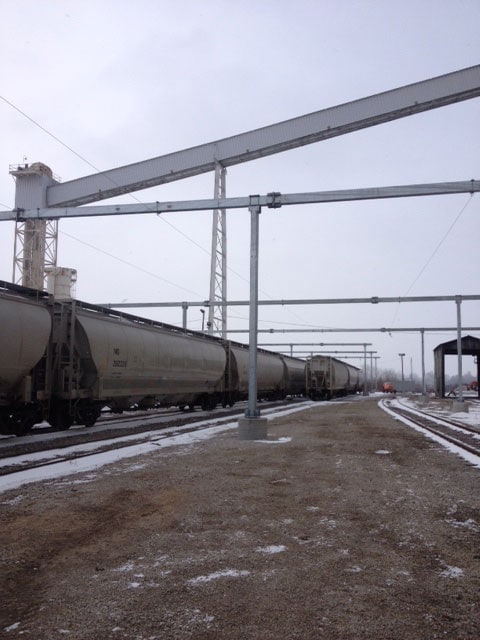
Horizontal lifelines must be attached to. On any horizontal lifeline that may become a vertical lifeline, the device used to connect to the horizontal lifeline is capable of locking in both directions on the lifeline. “horizontal lifelines may, depending on their geometry and angle of sag, be subjected to greater loads than the impact load imposed by an attached component. Horizontal lifeline means a rope made of synthetic fibre or wire, a rail or other similar systems that are attached horizontally to two or more anchors, and to which a fall arresting system or travel restraint system may be attached the horizontal lifeline must be thoroughly inspected before and after each use to maintain its integrity.
The attachment point of a body harness shall be located in the center of the wearer's back near the shoulder level, or above the wearer's head. • check the operation of self retracting lanyards by pulling smoothly on the lifeline, then pull sharply The horizontal lifeline is anchored directly to the deck.
• wear, damage, and other deterioration. Only use locking connectors with this system. Horizontal lifeline systems are an often used solution for safely working at height.
The beam on which the horizontal lifeline stanchions are installed must be suffi ciently secured to support the applied load (al) and applied moment (am) capacities specifi ed in figure 3. The connecting subsystem between the harness and horizontal lifeline must limit fall arrest forces to 900 lbs. Connectors and attachments must be compatible in size, shape, and strength.
Linkedpro or xslinked horizontal lifeline system and placed from max. The srl, when fully retracted, must be above the harness attachment level. Lifelines must be protected against cuts and abrasions.
These anchor points can be assembled by anybody trained to do so. While a worker can place a portable anchor on the roof and drop the weights into place one by one, the mounts for the. Stanchion attachment points may be subjected to horizontal and vertical forces, and torsional loads.
(d)(8) horizontal lifelines shall be designed, installed, and used, under the supervision of a qualified person, as part of a complete personal fall arrest system,. Now, while there are some stanchions out there designed for continuous, uninterrupted travel, the vast majority of systems will require you to hook your second lanyard leg to the line on the far side of the stanchion before removing your. If the free fall distance is limited to less than 20 inches (50.8 cm), the attachment point may be located in the chest position;
The horizontal lifeline must be thoroughly inspected before and after each use to maintain its integrity. Secure each end of the horizontal lifeline to the anchorage connectors with the snap hook or carabiner. The horizontal lifeline may be secured directly to the anchorage when the anchorage incorporates a compatible attachment element that meets the requirements.
In addition, lifelines need to be installed more than assembled. Most horizontal lifelines must be designed specifically for. A horizontal lifeline is a bit different.
The horizontal lifeline should be positioned nea r the work location to minimize swing fall hazards. Users are attached by a xsslider, but retain complete freedom of movement. Three workers are attached to the hll system.
Horizontal lifelines are one type of fall protection system that are used in elevated work environments when employees need continuous fall protection throughout an area. When engaged, the restraint system prevents the worker from falling over an unprotected edge. When designing a horizontal lifeline system, the number of workers, length of the system, attachment to the existing building or structure and the configuration of the work area.
2.2 personal fall arrest system connectors: The true definition differs per region/standard, but in general a hll consist of a flexible anchor line (cable, wire rope, fibre rope or webbing), attached to two or more anchor points. 1910.140(d)(2)(ii) personal fall arrest systems are rigged in such a manner that the employee cannot free fall more than 6 feet (1.8 m) or contact a lower level.
Diagram of the horizontal lifeline/restrain system setup. The horizontal lifeline system should be positioned at a level that will minimize free fall while allowing ease of use. The horizontal lifeline must be securely.
The horizontal lifeline must be securely attached to the rooftop via an independent anchor. On suspended scaffolds or similar work platforms with horizontal lifelines which may become vertical lifelines, the devices used to connect to a horizontal lifeline shall be capable of locking in both directions on the lifeline. This type of fall protection system can be installed on top of structures such as roofs, but also in a wall or overhead situation.
This will take longer to install and should be done under the direction of a qualified person. Loads applied by the system during a fall arrest. A horizontal lifeline can be installed on most roof surfaces, walls or overhead structures.
Horizontal lifelines shall be designed and installed, under the supervision of a qualified person (see section definition 1.3.f.8), as part of a complete personal fall protection system. When the angle of horizontal lifeline sag is less than 30 degrees, the impact force imparted to the lifeline by an attached lanyard is greatly amplified. The qualified person shall be a licensed professional engineer in the state having jurisdiction.
The system consists of multiple anchor points, connected via a flexible line to which users attach their lanyard.

Roof Lifelines - Sesco Safety

Pdf Evaluating The Inadequacies Of Horizontal Lifeline Design Case Studies In Singapore

Horizontal Lifeline Systems Fall Protection Systems Xsplatforms
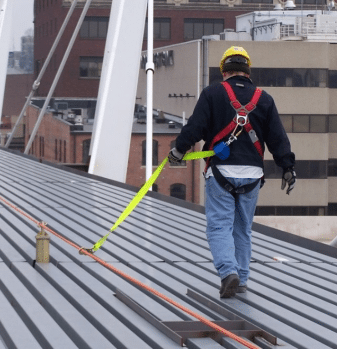
Fall Protection Working From Heights
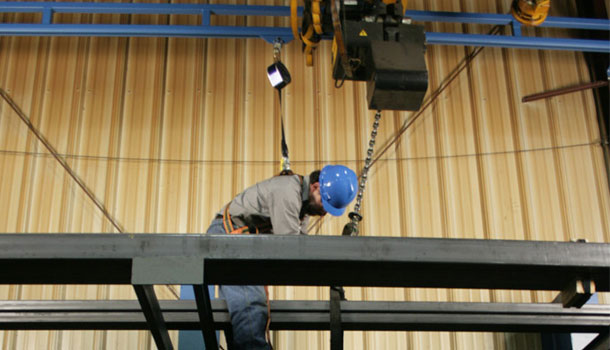
How To Safely Use A Retractable Lanyard - Fall Protection Blog
Horizontal Lifelines - Osha Compliant Diversified Fall Protection
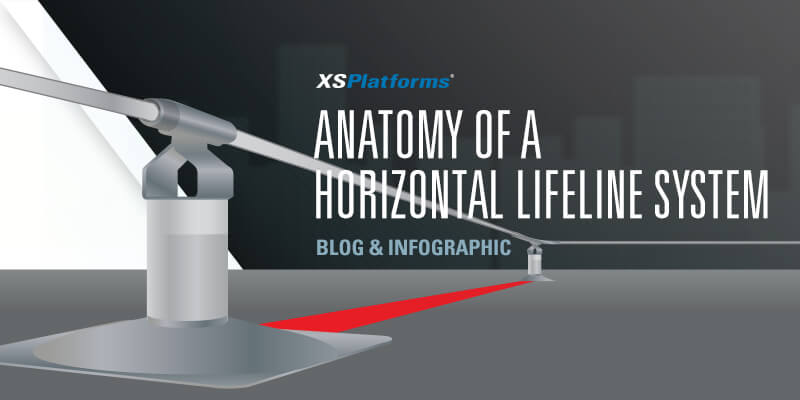
Anatomy Of A Horizontal Lifeline System Fall Protection Xsplatforms

Anatomy Of A Horizontal Lifeline System Fall Protection Xsplatforms

Anatomy Of A Horizontal Lifeline System Fall Protection Xsplatforms
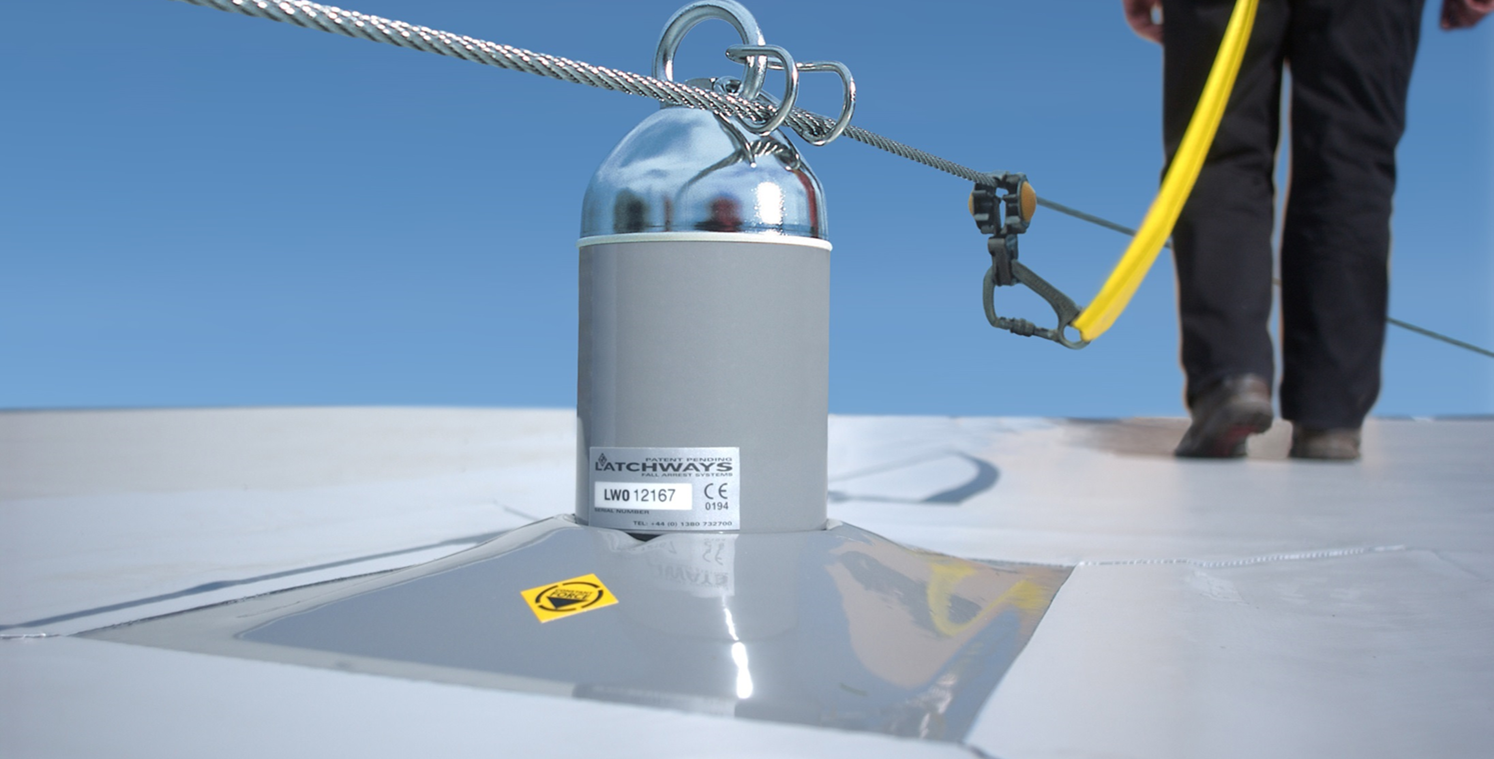
Roof Horizontal Lifelines Diversified Fall Protection
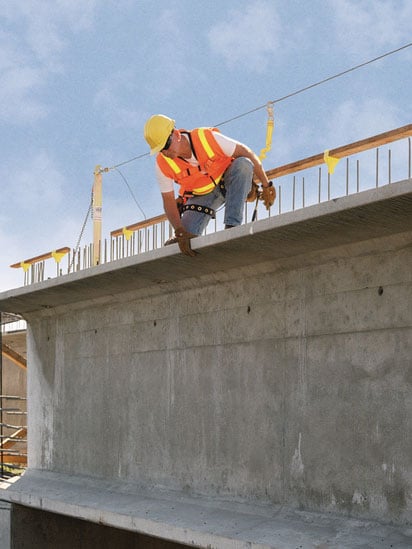
Temporary Horizontal Lifelines

Horizontal Lifeline Systems - Elytra Safety Conduct And Magnets
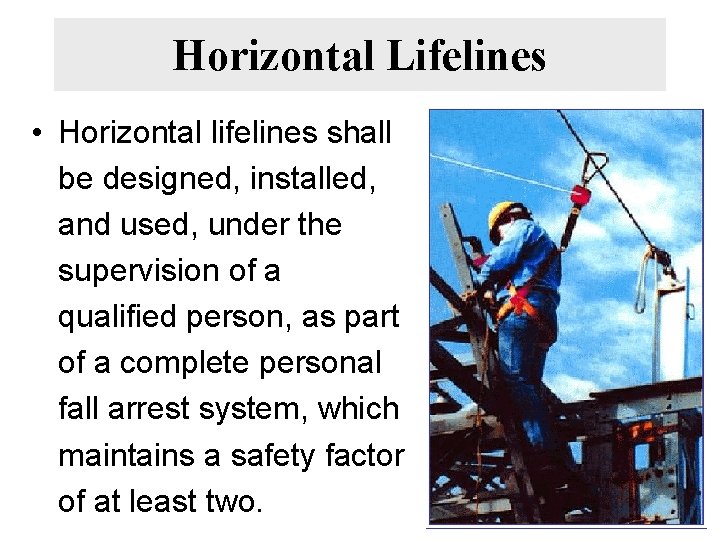
Safety For Working In High Places Fall Protection
Self Retractable Lifelines - Horizontal Configuration


Fall Protection System - Roof Life Line System Manufacturer From Chennai
Ihsaca

Anchor Points Vs Horizontal Lifelines When Should I Use Them - Fall Protection Blog
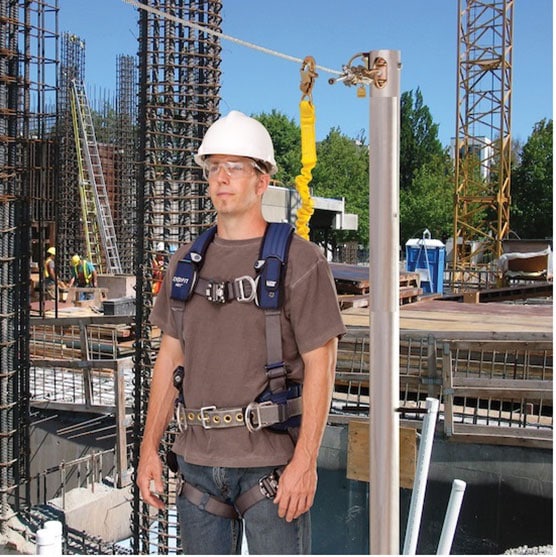
Temporary Horizontal Lifelines
Bts Horizontal Lifeline Kit 20 Ft 40 Ft To Suit Container Anchor Post System Btech Online
